
Abstract
Moving fast only works if your systems are engineered with trust and verification in mind. In this talk, we showcase how teams can scale to the point where shipping hundreds of changes a day becomes boring, routine, and safe. We will discuss investing in automated guardrails that make it easy to follow best practices across Monzo's 3000+ microservices and stay on the paved road. These include services that power all our payments infrastructure and our core banking ledger.
Then we push that same idea “beyond humans”. Agents can continuously write code, open pull requests, orchestrate migrations, and make changes. They work extremely well within these guardrails, but they also introduce new failure modes, resulting in subtle logic bugs, code that works but is hard to reason about, and a drastically increased rate of change. We'll dive deep into the additional investments we've made (and are considering) to make the feedback loop for agents as fast and as reliable as possible.
Key takeaways:
- How to ship constantly without fear: the platform and process and guardrails that enable hundreds of deployments safely
- Understand how we use our monorepo and broad corpus of microservices so that both humans and coding agents can maintain existing patterns and utilise the paved road
- How we think about building and evaluating trust in the changes made by both humans and agents
- Identifying the systems that will break first when writing code becomes an instantaneous activity. - the idea is to push the audience to see that bottlenecks will move elsewhere.
Speaker
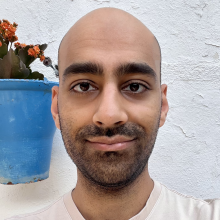
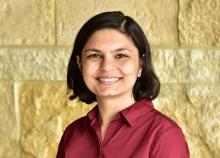
Suhail Patel
Senior Staff Engineer @Monzo Leading the Platform and Data Functions, Previously @Citymapper
Suhail is a Staff Engineer at Monzo focused on building the Core Platform. His role involves building and maintaining Monzo's infrastructure which spans nearly two thousand microservices and leverages key infrastructure components like Kubernetes, Cassandra, Etcd and more. He focuses specifically in investigating deviant behaviour and ensuring services continue to work reliably in the face of a constantly shifting environment in the cloud.
Find Suhail Patel at:


Date
Monday Mar 16 / 03:55PM GMT ( 50 minutes )
Location
Mountbatten (6th Fl.)